Energy efficient
Uses electricity only while you run the tap
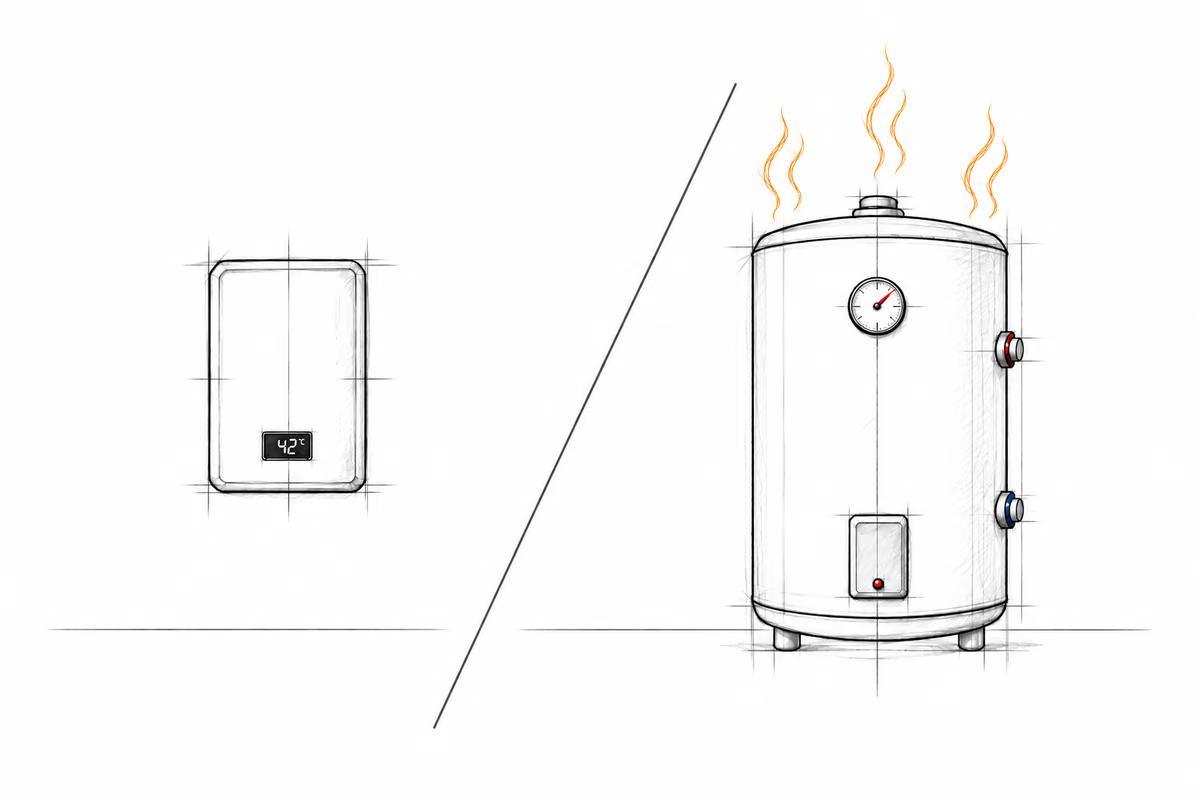
The heater has up to 98 % efficiency. When you turn off the tap, the heating stops, so you do not use electricity keeping a tank warm.
Replacing a conventional water heater can pay off, especially if the old tank loses a lot of heat. Weigh the potential savings against your needs.
A tank loses heat even while you are at work or the cabin stands empty. With a flow-through heater you avoid that loss.
See the example below and answers to questions about showers, electricity use and grid tariffs. Then use the calculator to estimate costs based on your own water use.
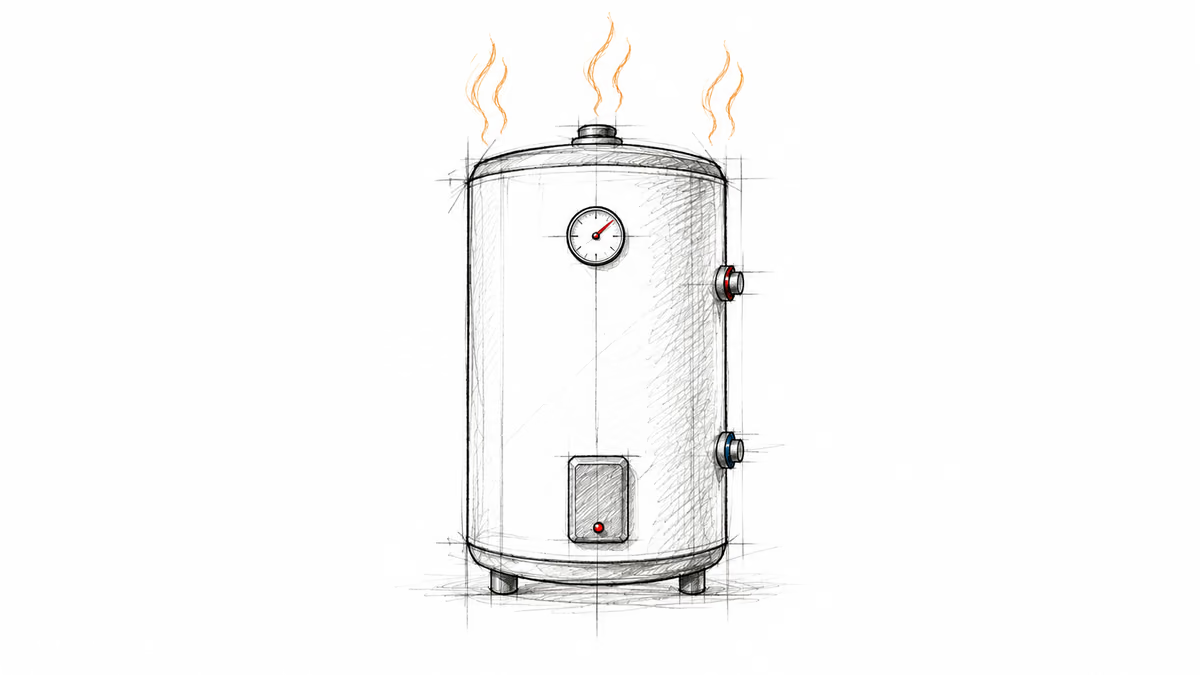
A modern, well-insulated 200-litre hot water tank loses around 55 watts to the room, all the time. That is roughly 480 kWh a year before anyone has turned on a tap. Older tanks often lose twice as much.
At today's electricity price, that is NOK 600 to 1 200 a year just to replace heat loss. It costs more at cabins, where the electricity support scheme does not apply.
COAX uses zero watts when the tap is closed.
The saving depends on your hot water consumption, the age of the tank and the electricity price. Enter your own figures in the calculator to compare.
SourcesOSO, OSO Hotwater, opens in a new tabSSB, Statistisk sentralbyrå, opens in a new tabStrømstøtte, hvakosterstrommen.no, opens in a new tab
Work out your own consumptionSourcesElvia, Elvia, opens in a new tabRørhåndboka, Rørhåndboka, opens in a new tab
See all questions and answersThe heater has up to 98 % efficiency. When you turn off the tap, the heating stops, so you do not use electricity keeping a tank warm.
The heater mounts on the wall and fits in tight spaces, such as a small bathroom or cabin.
The water is not stored in a lukewarm tank where legionella can thrive. The Norwegian Institute of Public Health recommends that hot water tanks are kept at 70 degrees; COAX heats the water as it passes through the unit.
You do not have to wait for a tank to reheat between showers.
The chamber is built in several layers and prevents limescale build-up. The heater has no anode to replace and no moving parts. Some customers still use the heater they bought in the early 2010s.
The heater protects against scalding, overheating and leaks. Set the temperature with the thermostat and check the operating status on the LED display.