
Your hot water tank draws power all night. Even when no one is showering.
Coax sells tankless water heaters that heat the water the moment you turn on the tap. When you turn it off, the heating stops.
The range
Our bestsellers


1993
We have been selling hot water without a tank in Norway since 1993.
1000+
installations in homes, cabins and businesses.
98%
efficiency, and zero watts when the tap is off.
5–10cm
from the wall. The floor space stays free.
Why COAX
Hot water without a tank. Six good reasons.
Here is what you can expect from a COAX heater in everyday use.
Energy efficient
Uses electricity only while you run the tap
The heater has up to 98 % efficiency. When you turn off the tap, the heating stops, so you do not use electricity keeping a tank warm.
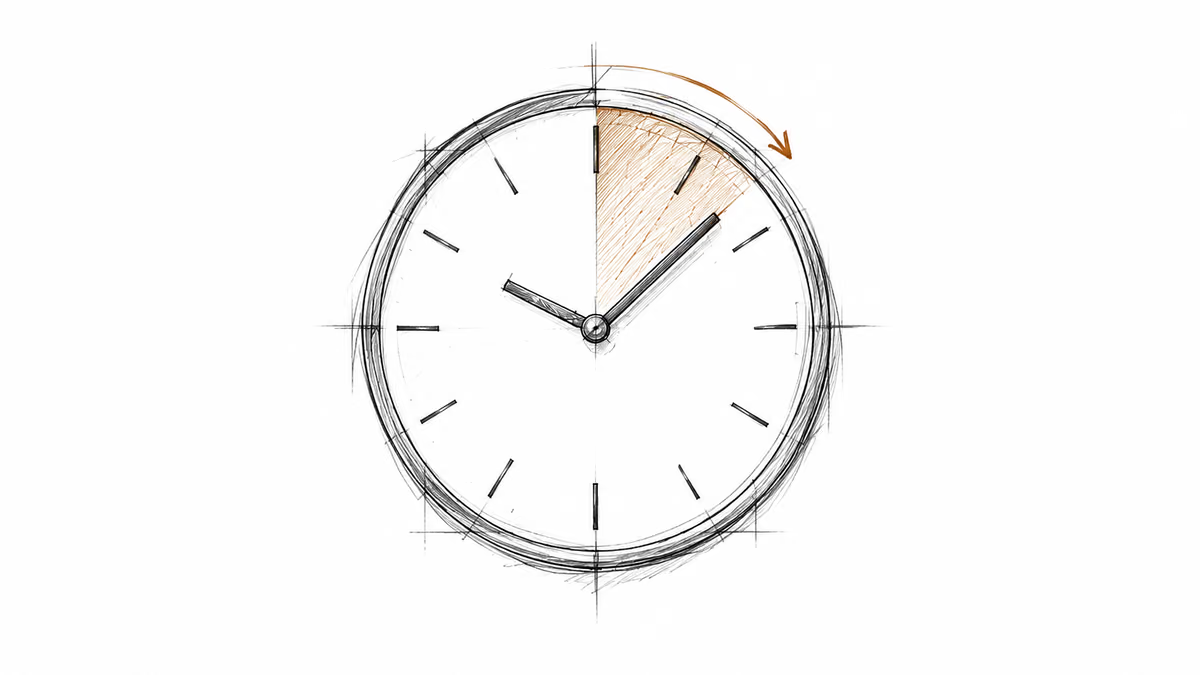
Compact wall unit, 5–10 cm deep
The heater mounts on the wall and fits in tight spaces, such as a small bathroom or cabin.
Water heated as you use it
The water is not stored in a lukewarm tank where legionella can thrive. The Norwegian Institute of Public Health recommends that hot water tanks are kept at 70 degrees; COAX heats the water as it passes through the unit.
Never run out of hot water
You do not have to wait for a tank to reheat between showers.
Stainless steel heating chamber
The chamber is built in several layers and prevents limescale build-up. The heater has no anode to replace and no moving parts. Some customers still use the heater they bought in the early 2010s.
IP25 protection with full electrical isolation
The heater protects against scalding, overheating and leaks. Set the temperature with the thermostat and check the operating status on the LED display.
How it works
From cold to hot as the water passes through
You use the tap as usual. The heater starts and stops automatically.
1
Turn on the tap
COAX detects the water flow and starts heating.
2
The water is heated
The water passes the sealed heating element. The thermostat regulates the heating to the temperature you have set.
3
Turn off the tap
Heating stops as soon as you turn off the tap.
Compare
COAX vs. the old tank
A tank keeps water hot between uses. COAX heats it on the way through. Here are the differences you notice in daily use.
COAX water heater
Heats water as it flows
- Uses electricity only when water is running
- Compact wall-mounted unit that frees up floor space
- The water is heated straight from the mains
- Zero watts when the tap is closed
- Unlimited hot water
- Stainless steel heating chamber, no anode
Conventional tank
Stores and keeps water hot
- Always on, with constant heat loss
- Takes up a lot of floor space
- Risk of bacterial growth (legionella)
- High standby loss around the clock
- Limited supply that can run out
- Leaks increase as the tank ages
Savings
What does your hot water cost?
Example for an average Norwegian home. Use the consumption calculator for an estimate based on your municipality, your consumption and your electricity contract.
The saving depends on how much you use
You avoid the tank's heat loss. Your electricity price and hot water use determine how much that saves in kroner.
Conventional tank≈ NOK 6,200
COAX tankless≈ NOK 3,100
For all types of building
Where do you need hot water?
We have models for single-phase (230 V) and three-phase (230/400 V) supplies. The right model depends on your electricity supply and hot water needs.

Cabins
For all types of cabin
Match the heater to the power supply at the cabin and plan for frost. It can be fitted so that it is easy to take down for servicing.
Explore cabin installations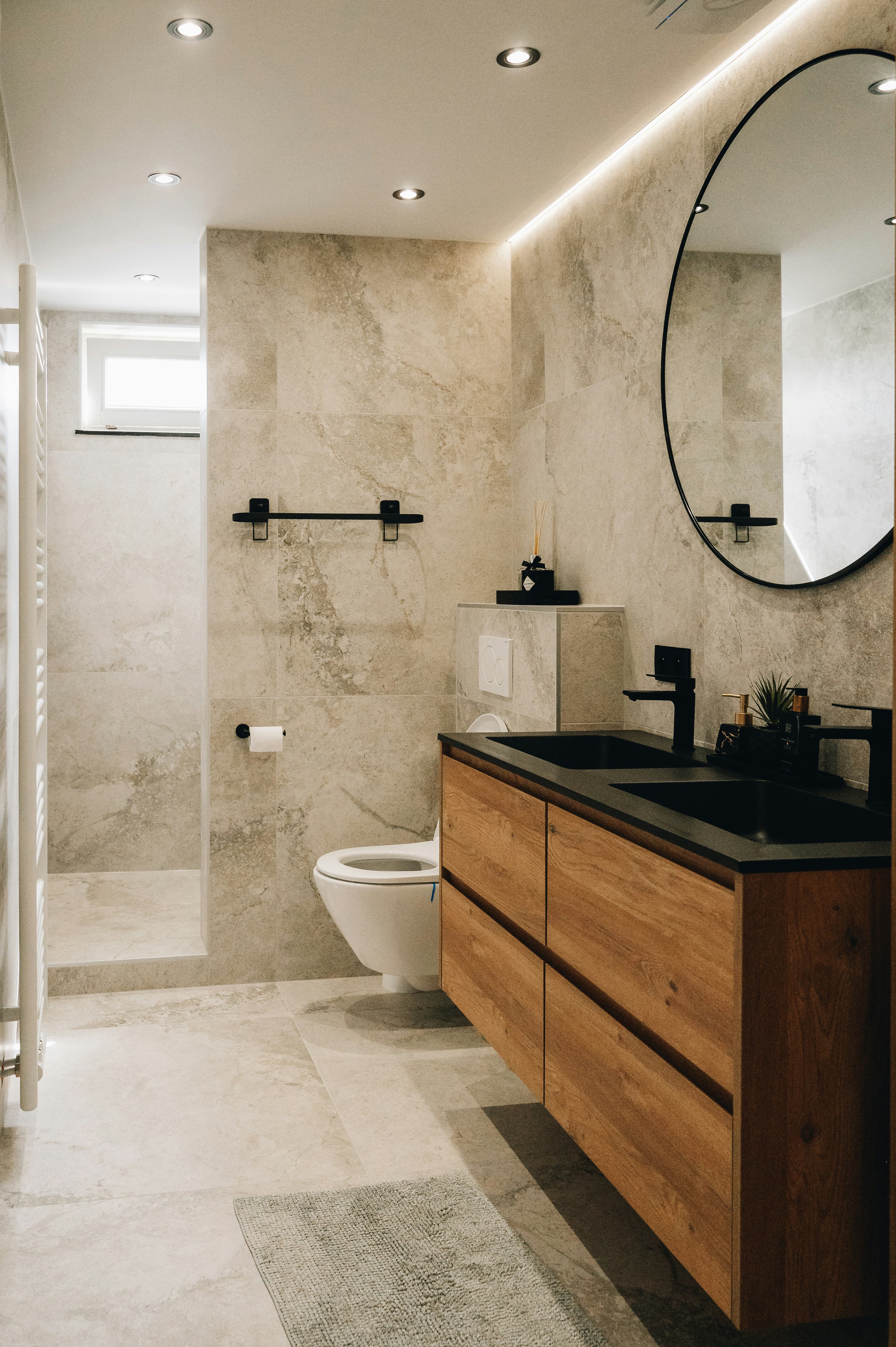
Home
For homes and flats
Replacing your conventional water heater or renovating the bathroom? Check the electrical requirements and where the heater can be installed.
Explore home installations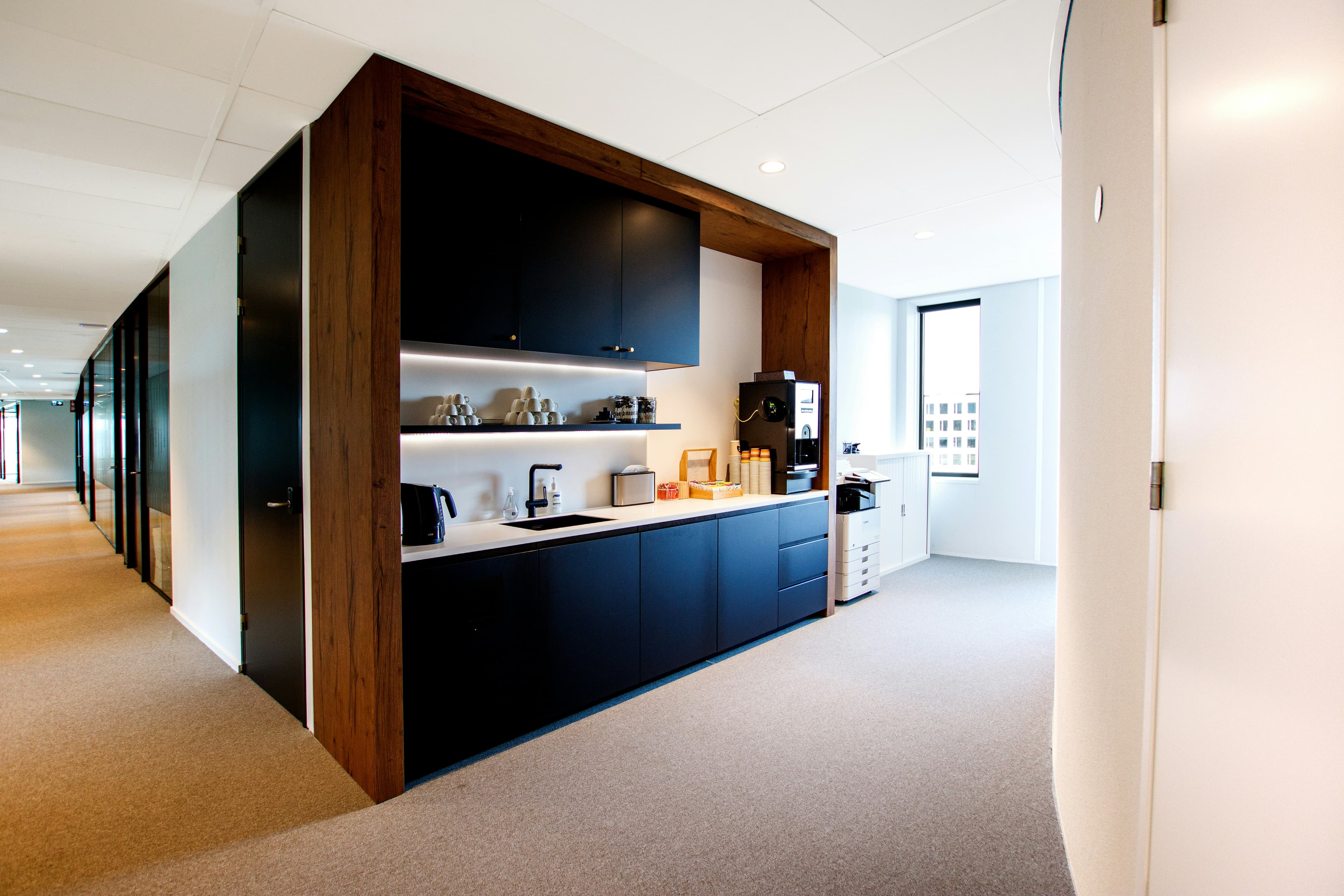
Commercial
For industry and commercial buildings
Hot water at the workstation or a shared shower facility? We help you size the system for your business needs.
Explore commercial installationsChoose a model · The bucket method
Find the right power output in under a minute
Measure your shower's flow rate with a bucket and a stopwatch. We can then calculate the power output you need.
1
Put a 10-litre bucket under the shower
Run the shower as you normally would, at full temperature and pressure.
2
Time how long the bucket takes to fill
The time tells us how many litres flow per minute.
3
Get your recommended power output
We work out how many kW the heater has to deliver for the water to be hot enough, even at full pressure in the shower.
We work out the right power output for you
Enter the time you measured. We use the flow rate to calculate the power output your shower needs.
The voltage (230 or 400 volts) and main fuse rating (amps) determine which models your home's electrical supply can support. Both are usually listed inside the fuse box door or on the electricity meter.